Annie Leibovitz is an American portrait photographer. As someone who appreciates art, her work captured my attention in Vogue magazine in my early days of enjoying photography as a hobby. She created noticeably distinct images.
I am not generally a portrait photographer by trade. Yet I still watched her Masterclass series.
A bit of information about Annie Leibovitz’ class:
- Fifteen videos/lessons
- Length = Three hours and four minutes
- Hook: “Telling stories through images.”
Review:
Annie Leibovitz has a candid way of talking. Style seems similar to an interview, but the kind of interview taken behind the scenes for a magazine article. She discusses her career, photography breakthroughs, and the story behind specific images.
Not into technical details of how to be a photographer, but she does give tips. Series definitely contains inspiration of creative concepts for portrait photographers. After each lesson there is an assignment, which is to inspire or better you. If you are looking for the ABCs of photography, this is not it.
So often in life I can tell those more or less adept with their craft or passion because of how comfortable they are telling you a view that may be less popular or usual. They have and hold that view because it consistently worked for them, which illuminates their experience. Leibovitz does this many times.
She speaks of light preference, which I find similar to mine with my usual subjects: architecture, wild life, flora, still life.
Film versus digital photography is discussed. Photographs are shown from both mediums.
A lesson I especially enjoyed watching was “Digital Post-Production”. It shows her working with someone to fully conceptualize her work into the image she ultimately wishes to see. I have entered photography competitions that stated an entrant must classify themselves as a professional photographer if they have had a certain amount of years experience editing. Editing is serious for a photographer, whether it was in the darkroom of old or is on the computer today. It does matter how well you edit an image because so many images are not finished coming straight out of a camera.
Something she states is, “Everyone sees color differently,” and I think this might be true. The reason why I tend to specialize in black and white photography is because so many of the competitions I won and ribbons accumulated were from monochrome images. One day while looking at the winning photographs, I wondered if black and white was a better fit. The way I saw color could differ from my past and from others. My monochrome photographs have held up better over the years to my inner critic.
Leibovitz names photographers who influenced her. When I was being mentored, my mentor asked me to study the greats of old. Specifically, he recommended artists of any kind for inspiration. It was a solid direction.
Would I recommend the series?
Yes. It was long, but worth watching. Annie Leibovitz has produced many great photographs. She has accumulated years of advice. Listening and watching her insight and experience helped me to possibly step forward in portrait photography. I enjoyed her wisdom.
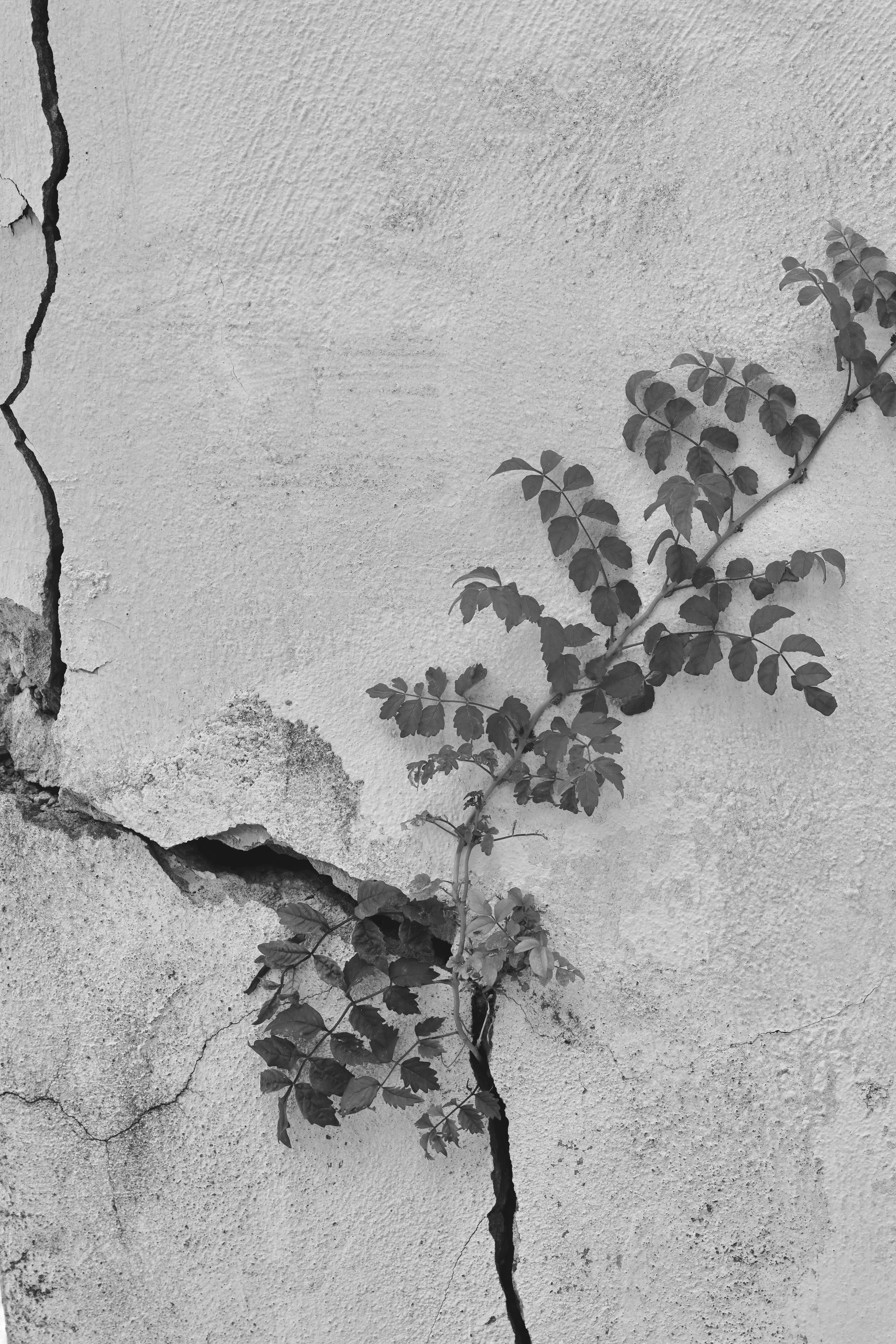
Note: The only AI used in this post was for generating the title. During the writing process, decided to see what featured image could be generated to work with this post. I was pleased with the result, but a part of me pulled back. Do I want to start using AI? If so, where does it start and end? This article is my own writing, the featured image is one I created, and this is my way of disclosing what is real versus AI.
One response to “A Review of Annie Leibovitz’s Masterclass on Photography”
[…] for building a toolkit with tips for more affordable options. Unlike with Annie Leibovitz (review here), she does not expect you to know much about […]